Immune Checkpoint Blockade and the Transformation of Cancer Therapy

2017 Warren Alpert Foundation Prize Symposium

In honor of James Allison, Lieping Chen, Gordon Freeman, Tasuku Honjo and Arlene Sharpe for contributions to the pre-clinical foundation and development of immune checkpoint blockade, a novel form of cancer therapy that has transformed the landscape of cancer treatment.

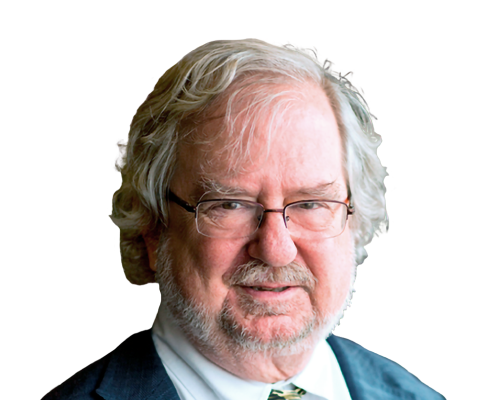
James Allison

James Allison | 2017 Recipient

Dr. Allison showed that the molecule CTLA-4 is an inhibitory receptor that serves as a checkpoint to limit the expansion of T cells and pioneered the concept of blocking CTLA-4 to enhance immune responses to tumor cells. He developed an antagonistic anti-CTLA-4 antibody and based on elegant laboratory experiments, he convinced pharmaceutical companies and clinicians to conduct trials with anti-CTLA-4. Clinical trials in patients with metastatic melanoma demonstrated a survival benefit, which led to the approval of anti-CTLA-4 by the US Food and Drug Administration in March 2011. Anti-CTLA-4 represents a rationally designed mechanistic immunotherapy agent that is now a standard of care for the treatment of metastatic melanoma.  This seminal work led to the identification of another checkpoint, PD-1, which also enhances anti-tumor responses and has been approved by the FDA for the treatment of melanoma and several other types of cancer. Thus, Allison’s work opened a new field termed “immune checkpoint therapy” and other agents are being developed to target additional inhibitory or co-stimulatory T-cell molecules. Dr. Allison translated his research work on T cells into a breakthrough therapeutic modality that has transformed cancer treatment and is saving lives worldwide.

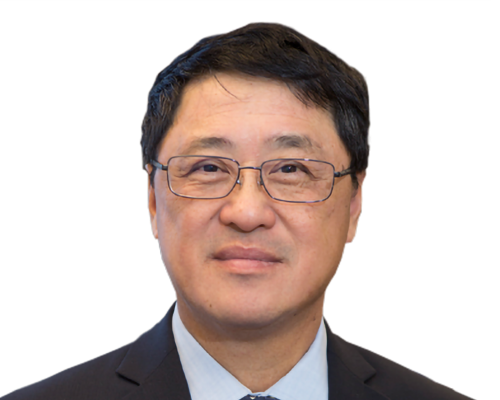
Lieping Chen

Lieping Chen | 2017 Recipient

Dr. Lieping Chen obtained his medical degree in 1982 from Fujian Medical School, China. After completion of his training in hematology and oncology at Fujian Union Hospital and Beijing Union Medical College, Dr. Chen earned a Ph.D. in experimental pathology from Drexel University College of Medicine in Philadelphia.  After a postdoctoral fellowship at the University of Washington, in 1990, Dr. Chen began his work at the Bristol-Myers Squib Company as a research scientist. In 1997, he became an immunology professor at the Mayo Clinic, Rochester, Minnesota, where he discovered the B7-H1 (PD-L1) molecule and the role of the B7-H1/PD-1 pathway in the evasion of tumor immunity. In 2004, he joined the faculty at the Johns Hopkins School of Medicine, where he helped initiate the first-in-man clinical trial using antibodies to block the B7-H1/PD-1 pathway for the treatment of human cancer.  Dr. Lieping Chen currently serves as the United Technologies Corporation Professor in Cancer Research, Professor of Immunobiology, Dermatology and Medical Oncology at Yale School of Medicine and co-Director of the Cancer Immunology Program of Yale Cancer Center in New Haven, CT. Dr. Chen has authored more than 300 scientific publications and has served on several committees and advisory boards for state, federal, and international research organizations and pharmaceutical companies. His honors include the William B. Coley Award (2014) and the AAI-Steinman Award (2016).

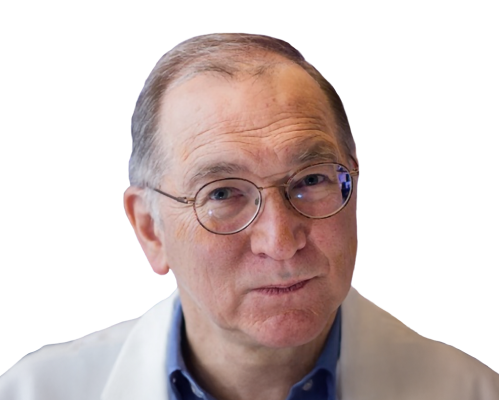
Gordon Freeman

Gordon Freeman | 2017 Recipient

Dr. Freeman grew up in Fort Worth, Texas where he was introduced to scientific research in his high school’s research lab and an NSF summer program at the University of Texas, Austin.  He did his undergraduate work at Harvard, doing structural work in Don Wiley’s lab.  He then did his PhD work with Alice Huang at Harvard Medical School on animal virus genetics. He did post-doctoral work on genes regulating T cell activation, first with Harvey Cantor and then Lee Nadler at the Dana-Farber Cancer Institute. He was appointed Assistant Professor of Medicine at Harvard Medical School in 1994 and Professor in 2015.

Freeman’s research has identified the ligands for the major pathways that control the immune response by inhibiting T cell activation (PD-L1 or PD-L2/PD-1 and B7-2/CTLA-4) or stimulating T cell activation (B7-2/CD28).  He showed that engagement of PD-1 by PD-L1 or PD-L2 inhibited T cell activation, cytokine production, and cytolytic activity whereas blockade enhanced these activities. This has led to a successful strategy for cancer immunotherapy: block the pathways that tumors use to turn off the immune response.

Dr. Freeman’s laboratory focuses on the identification and function of T cell costimulatory and coinhibitory pathways in regulating T cell activation and application of this knowledge to the development of more effective immunotherapies for cancer, infections, asthma, and autoimmune diseases. Dr. Freeman has published over 300 scientific papers and holds over 50 US patents on immunotherapies. He was listed by Thomas Reuters as a 2016 Citation Laureate for contributions to the field of Physiology or Medicine. He received the William B. Coley Award for Distinguished Research in Tumor Immunology in 2014 and the Laguna Biotech CEO Forum award for his contributions to the discovery of the PD-1 pathway.  His contributions to the development of PD-1 immunotherapy for Hodgkin lymphoma received the Lymphoma Hub award for best research paper in lymphoma in 2014.

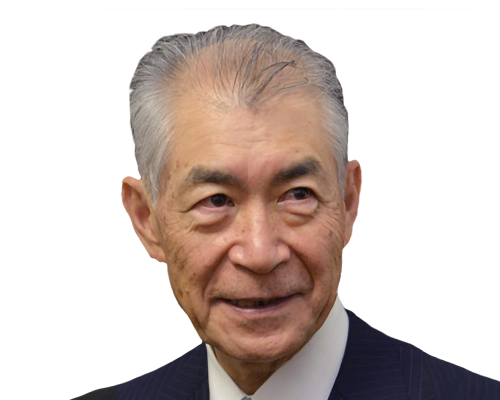
Tasuku Honjo

Tasuku Honjo | 2017 Recipient

Dr. Tasuku Honjo is Professor of Department of Immunology and Genomic Medicine, Kyoto University, and also Chairman of Board of Directors, Shizuoka Prefectural University Corporation. Dr. Honjo is well known for his discovery of activation-induced cytidine deaminase that is essential for class switch recombination and somatic hypermutation. He has established the basic conceptual framework of class switch recombination starting from discovery of DNA deletion (1978) and S regions (1980), followed by elucidation of the whole mouse immunoglobulin heavy-chain locus. Aside from class switching recombination, he discovered PD-1 (program cell death 1), a negative coreceptor at the effector phase of immune response and showed that PD-1 modulation contributes to treatments of viral infection, tumor and autoimmunity. Cancer immunotherapy with PD-1 blockade has been approved for many types of cancer and revolutionalized the concept of cancer treatment. For these contributions, Dr. Honjo has received many awards, including Imperial Prize (1996), Japan Academy Prize (1996), Robert Koch Prize (2012), Order of Culture (2013), Tang Prize (2014), William B. Coley Award (2014), Richard V. Smalley, MD Memorial Award (2015), Kyoto Prize (2016), The Keio Medical Science Prize (2016) and Fudan-Zhongzhi Science Award in Biomedicine (2016). Honored by the Japanese Government as a person of cultural merits (2000). Elected as a foreign associate of National Academy of Sciences, USA in 2001, as a member of Leopoldina, the German Academy of Natural Scientists in 2003, and also as a member of Japan Academy in 2005.

Arlene Sharpe

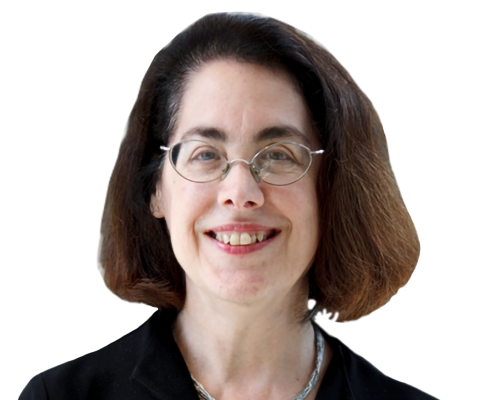
Arlene Sharpe | 2017 Recipient

Dr. Sharpe received her A.B. from Harvard University, where she did undergraduate thesis research in the laboratory of Dr. Jack Strominger.  She received her M.D. and Ph.D. degrees from Harvard Medical School where she did PhD thesis research on reovirus pathogenesis in the laboratory of Dr. Bernard Fields. She completed residency training in Pathology at Brigham and Women’s Hospital and postdoctoral research in the laboratory of Dr. Rudolf Jaenisch at the Whitehead Institute.

She currently is the George Fabyan Professor of Comparative Pathology, Head of the Division of Immunology, and Interim Co-Chair of the Department of Microbiology and Immunobiology at Harvard Medical School. She is a member of the Department of Pathology at Brigham and Women’s Hospital, an Associate Member at the Broad Institute of MIT and Harvard, and Leader of the Cancer Immunology Program at the Dana-Farber/Harvard Cancer Center. Dr. Sharpe is the Co-Director of the Evergrande Center for Immunologic Diseases at Harvard Medical School and Brigham and Women’s Hospital. She has served as a member and chair of the NIH Hypersensitivity, Autoimmunity and Immune-mediated diseases (HAI) study section and is currently a member of NIAID Council. She is also the President of the American Association of Immunologists.

Dr. Sharpe’s functional analysis of costimulatory pathways regulating T cell activation has led to understanding of (1) the roles of B7-1 and B7-2 as positive regulators through CD28 and (2) negative regulators through CTLA-4, and (3) the role of PD-L1 and PD-L2 as negative regulators through PD-1. This functional characterization has provided critical translational insights that underpinned development of immunotherapies for cancer, autoimmune diseases, and transplant rejection.

Dr. Sharpe’s laboratory currently investigates the roles of T cell costimulatory and coinhibitory pathways in regulating T cell tolerance and effective antimicrobial and antitumor immunity, and translating fundamental understanding of T cell costimulation into new therapies for autoimmune diseases and cancer. Dr. Sharpe has published over 300 papers and was listed by Thomas Reuters as one of the most Highly Cited Researchers (top 1%) in 2014 and 2015 and a 2016 Citation Laureate. She received the William B. Coley Award for Distinguished Research in Tumor immunology in 2014 for her contributions to the discovery of PD-1 pathway.

Symposium Program

Each year the recipient(s) of the Warren Alpert Foundation Prize are recognized at a scientific symposium hosted by Harvard Medical School.

Featured Speakers include:

Jim Allison, Ph.D.

Professor of immunology and chair of the Department of Immunology, The University of Texas MD Anderson Cancer Center

Lieping Chen, M.D., Ph.D.

United Technologies Corporation professor in Cancer Research and professor of immunobiology, of dermatology and of medicine, Yale University

Gordon Freeman, Ph.D.

Professor of medicine, Dana-Farber Cancer Institute, Harvard Medical School

Arlene Sharpe, M.D., Ph.D.

George Fabyan Professor of Comparative Pathology, Harvard Medical School

Michael Atkins, M.D.

Deputy Director, Georgetown Lombardi Comprehensive Cancer Center

Dupont CRISPR-mediated immunity in bacteria: discovery and applications

Sign up to receive updates

Sign up to receive updates

Past Symposia

For questions about the prize, please contact us.

Contact Us
I am honored to receive this award in recognition of our seminal work published in Nature in 2011 and in Science in 2012, including the discovery of tracrRNA and the delineation of its key role in the targeting and editing of DNA by CRISPR-Cas9. This work is a wonderful example of the importance of basic research, demonstrating its relevance for translational science and important medical applications.
- Emmanuelle Charpentier

Emmanuelle Charpentier | 2016 Recipient

Emmanuelle Charpentier studied biochemistry, microbiology and genetics at the University Pierre and Marie Curie, Paris, France and obtained her PhD in Microbiology for her research performed at the Pasteur Institute. She then continued her work in the United States, at The Rockefeller University, New York University Langone Medical Center and the Skirball Institute of Biomolecular Medicine (all in New York, NY) and at St Jude Children's Research Hospital (in Memphis, TN). E. Charpentier returned to Europe to establish her own research group at the Max F. Perutz Laboratories of the University of Vienna in Austria where she habilitated in the field of Microbiology. She was then appointed Associate Professor at the Laboratory for Molecular Infection Medicine Sweden (MIMS, part of Nordic European Molecular Biology Laboratory (EMBL) Partnership for Molecular Medicine) at Umeå University in Sweden where she habilitated in the field of Medical Microbiology and is still active as a Visiting Professor. Between 2013 and 2015, E. Charpentier was Head of the Department of Regulation in Infection Biology at the Helmholtz Centre for Infection Research, Braunschweig, and Professor at the Medical School of Hannover in Germany. In 2013, she was awarded an Alexander von Humboldt Professorship, which she has held since 2014. In 2015, E. Charpentier was appointed Scientific Member of the Max Planck Society in Germany and Director at the Max Planck Institute for Infection Biology in Berlin, Germany.

E. Charpentier is recognized as a world-leading expert in regulatory mechanisms underlying processes of infection and immunity in bacterial pathogens. Her work has led to a number of seminal discoveries and insights into pathways governing antibiotic resistance and virulence of bacterial pathogens. With her recent groundbreaking findings in the field of RNA-mediated regulation based on the CRISPR-Cas9 system, E. Charpentier has laid the foundation for the development of a novel, highly versatile and specific genome editing technology that is revolutionizing life sciences research and could open up whole new opportunities in biomedical gene therapies. The resulting field of research is now developing at dazzling speed, with exciting new aspects emerging almost weekly. E. Charpentier is Elected Foreign Member of The Royal Swedish Academy of Sciences 2015, Elected Member German National Academy of Sciences 2015, Elected Member of the European Academy of Microbiology 2015, Elected Fellow of the American Academy of Microbiology in 2015 and Elected EMBO Member in 2014. E. Charpentier has been awarded prestigious honors including the Paul Ehrlich and Ludwig Darmstaedter Prize 2016, French Chevalier Order de la Légion d’Honneur in 2016, World Technology Award for Biotechnology 2015, Leibniz Prize 2016, a 2016 Vallee Visiting Professorship, the 2016 HFSP Nakasone Award, an Honorary Doctorate of the KU Leuven, the Science Award of Lower Saxony 2015, the ABRF Annual Award for Outstanding Contributions to Biomolecular Technologies 2016, the Massry Prize 2015, the Otto Warburg Medal 2016, the L’Oréal-UNESCO For Women in Science Award 2016, the Carus-Medal of the German National Academy of Sciences Leopoldina 2015, the Umeå University EC Jubilee Award in 2015, the Gruber Prize in Genetics 2015, the Princess of Asturias Award for Technical and Scientific Research 2015, the 11th International Society for Transgenic Technologies Prize, the Hansen Family Award 2015, the 2015 Louis Jeantet Prize for Medicine, the 2015 Ernst Jung Prize for Medicine, the 2015 Breakthrough Prize in Life Sciences, the 2014 Grand Prix Jean-Pierre LeCocq, the 2014 Jacob Heskel Gabbay Award in Biotechnology and Medicine, the 2014 Dr Paul Janssen Award, the 2014 Göran Gustafsson Prize, an Alexander von Humboldt Professorship in 2013 and the Eric K. Fernström Prize in 2011. The impact of her scientific accomplishments has also been recognized in the broader community of world affairs. E. Charpentier was selected as one of TIME’s 100 Most Influential People in the World in 2015, one of Foreign Policy’s 100 Leading Global Thinkers in 2014, one of Vanity Fair’s 50 most influential French people worldwide in 2014.

E. Charpentier is inventor and co-owner of seminal intellectual property comprising the CRISPR-Cas9 technology, and co-founder of CRISPR Therapeutics and ERS Genomics, created to facilitate the development of the CRISPR-Cas9 genome engineering technology for biotechnological and biomedical purposes.

(2016-03-06) picture: “Hallbauer&Fioretti”

View Past Recipients